
SEO FAQ 2026 – here is your comprehensive guide to Search Engine Optimization in the era of Google AI Overviews, ChatGPT, AI Mode, and „Search Everywhere.“ We answer the key questions here in a concise, straightforward manner with direct, citable answers for your website optimization and your Google ranking.
Click HERE for German version!
What Is SEO 2026 and Why Has Everything Changed?
The short answer:
SEO 2026 means optimizing your website, content, and off-site signals so you’re visible not just in classic Google search results (blue links), but also in Google AI Overviews, AI Mode, ChatGPT citations, and on platforms like LinkedIn, YouTube, and Reddit. The motto is: „Optimize for Search Everywhere, not just Google.“
Why the change?
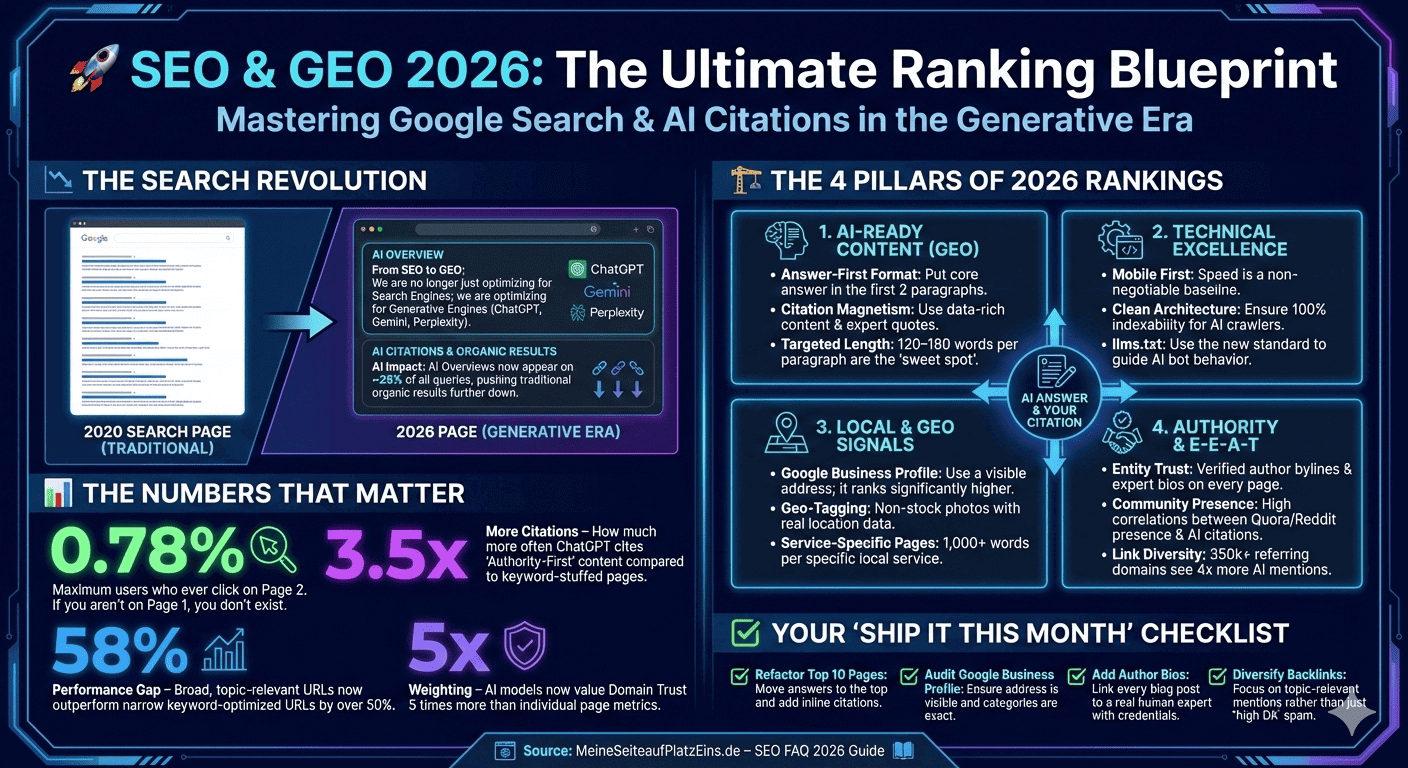
Since mid-2024, Google has been showing an AI Overview (an AI-generated summary at the top of results) for roughly 29% of all search queries. This means many users get their answer without clicking on your website – zero-click searches are rising to about 60%. At the same time, new visibility surfaces are emerging: whoever gets cited as a source in the AI answer builds brand authority, even without a direct click.
Is SEO Dead in 2026 – Replaced by AI Overviews and ChatGPT?
The short answer:
No. SEO isn’t dead – it’s transforming. Classic ranking factors (backlinks, Onpage SEO, technical search engine optimization) still matter – they’re now just the foundation for something bigger.
The detailed picture:
- Organic clicks are declining: Yes, on average by 61% when AI Overviews appear (from 1.76% to 0.61% CTR).
- Branding effect is rising: But whoever gets cited as a source gains brand authority and sees more brand searches later.
- It’s still worth it long-term: Your website search engine optimization continues to drive qualified traffic – something no one can buy (unlike SEA with Google Ads).
The 2026 rule of thumb:
Whoever just waits for rankings is too late. Whoever optimizes for both visibility AND authority in AI systems wins.
What Are Google AI Overviews and AI Mode – and How Do They Differ?
The short answer:
Google AI Overviews (GAO):
An AI-generated summary at the top of Google search results that combines multiple websites and presents it as an answer. They appear for informational queries and show links to sources (if the user expands them).
Google AI Mode (new in 2026):
A new conversational search mode where users can interact with Google more like ChatGPT – with deeper, multi-layered answers and fewer traditional „blue links“ at the top.
The difference:
- AI Overview = Snippet-like: Brief AI summary + traditional search results side by side.
- AI Mode = Complete search redesign: Longer, dialogic answers; fewer traditional links.
For your SEO strategy, this means:
- Structure content so it delivers clear, concise answers (AI Overviews love this).
- Use conversational language and answer follow-up questions (important for AI Mode).
- Implement FAQ schema, How-To schema, and structured data.
Does ChatGPT Visibility Really Bring Traffic?
The short answer:
Here’s the uncomfortable truth: Not much.
Leaked internal OpenAI data shows for a top performer:
- 610,775 impressions (how often the link appeared in ChatGPT)
- 4,238 clicks (how often users actually clicked)
- 0.69% CTR (click-through rate) – extremely low.
- Many other URLs: 0.1%, 0.01%, or 0% CTR.
But – there’s a big „but“:
- The few clicks that do come are often highly qualified (users have already made a pre-decision).
- Visibility in ChatGPT = branding effect that later leads to brand searches and direct traffic.
- Whoever consistently gets cited in ChatGPT is perceived as a thought leader – important for B2B.
The reality in 2026:
ChatGPT traffic isn’t your main channel. It’s a branding multiplier and authority signal that strengthens other channels long-term.
How Do I Optimize My Content for Google AI Overviews?
The short answer:
Google AI Overviews love clear structure, direct answers, and structured data. Here’s the 4-point formula:
1. Lead with a direct answer (at the top of the page):
Write a concise answer to the main question in the first 2–3 sentences.
Example: „What is SEO?“ → „SEO (search engine optimization) is the optimization of your website so it ranks better in Google search results and receives more organic traffic.„
2. Structure with H2/H3 headings and bullet points:
After the direct answer comes the depth: subsections, lists, tables.
AI systems scan this structure and pull out snippets.
3. Use schema markup:
Implement at least:
- FAQ schema (if your article has FAQs)
- Article schema (with author, publishDate, modifiedDate)
- HowTo schema (if it’s a process guide)
Example:
{
  "@context": "https://schema.org",
  "@type": "FAQPage",
  "mainEntity": [
    {
      "@type": "Question",
      "name": "What is SEO optimization?",
      "acceptedAnswer": {
        "@type": "Answer",
        "text": "SEO optimization is the adaptation of your website so search engines like Google understand it better..."
      }
    }
  ]
}
4. Add internal links:
Link to other relevant pages on your website. AI systems understand your content hierarchy through this.
What Are the Most Important Ranking Factors in 2026?
The short answer:
The classic top 3 are still:
- Backlinks (external links from other websites to you – signals authority).
- Content Quality & Structure (clear, comprehensive, unique content).
- Technical SEO (page speed, mobile optimization, crawlability, schema).
NEW additions in 2026:
4. Entity Signals & Brand Authority (How often is your brand mentioned? Do you have a Knowledge Panel? Reviews?).
5. AI Citability (Can AI systems easily understand and cite your content?).
6. Freshness & Timeliness (When was it last updated? Very old content gets less favor).
Pro tip:
Don’t focus on individual factors – focus on the holistic impression: A website with strong backlinks, high-quality content, technical excellence AND recognizable brand authority dominates both traditional rankings and AI Overviews.
How Do I Systematically Build Internal Links – With Screaming Frog & Co.?
The short answer:
Internal linking is one of the biggest, underestimated levers you completely control. With the tool Screaming Frog SEO Spider, you find at scale where important keywords are mentioned but not linked – and transform that into systematic internal links.
Step-by-step setup (with Screaming Frog):
Step 1: Open the tool
- Download Screaming Frog SEO Spider (the free version works fine).
Step 2: Configure custom search
- Go to: Configuration → Custom → Custom Search
- Enter a list of keywords you want to link internally. Examples:
- „technical seo“
- „seo analysis“
- „buy backlinks“
- „keyword research“
- „onpage seo“
- „content optimization“
Step 3: Adjust search settings
- Search in: „Body“ (search visible content area)
- Filter: „Unlinked Anchors“ (show only unlinked mentions)
- Match Type: „Contains“ (partial word match)
Step 4: Run the crawl
- Crawl your website (the bigger it is, the longer it takes).
- The tool shows you all pages mentioning your keywords but without a link.
Step 5: Set internal links
- For each found instance: Open the corresponding page in the WordPress editor.
- Select the keyword and link it to the relevant target page (e.g., „onpage seo“ → link to your onpage SEO guide).
Why does this work?
Google AND AI systems understand through internal links which page is the authority page for which topic. With 20–50 strategic internal links per month, you significantly strengthen your top pages.
Rule of thumb:
The more technical the keyword (e.g., „canonical tag“, „crawl budget“), the higher the potential for internal links.
How Important Are Backlinks in 2026?
The short answer:
Very important. Backlinks remain a top ranking factor – not just for Google, but also for AI systems.
Numbers:
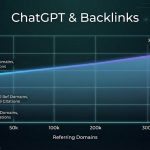
Websites with many high-quality, unique referring domains dominate both traditional rankings and AI Overviews and ChatGPT citations significantly.
Related article: ChatGPT cites these sites 3.5 times more often – These are the SEO secrets
What makes a good backlink?
- Relevant: Comes from a website in the same topic area (e.g., not from a poker forum for your dentistry website).
- Natural: Editorially embedded (not in a link farm).
- Authoritative: Comes from a domain with high trust and many of its own backlinks.
How do you get (ethical) backlinks?
- Create linkable assets: Tools, studies, comprehensive guides, infographics – things people want to link to.
- Guest posts: Write on other blogs and link to relevant pages (with permission).
- Digital PR: Get mentioned in news, podcasts, interviews.
- Niche directories: B2B portals, industry associations, local directories.
- Broken-link building: Find old, broken links and offer your website as a replacement.
How Do Onpage and Offpage SEO Differ?
The short answer:
| Onpage SEO | Offpage SEO |
|---|---|
| What: Everything on your website | What: Everything off your website |
| Content, keywords, titles, meta descriptions, headings, internal links, page speed, mobile optimization, schema markup, structure | Backlinks, brand mentions, reviews, social signals, guest posts, PR |
| You control: 100% | You control: ~60% (partly dependent on others) |
| Focus: crawlability, comprehensibility, user experience | Focus: authority, trust, brand signals |
In practice in 2026:
Without good Onpage SEO (structure, content, technical foundation), backlinks go nowhere. Without Offpage SEO (backlinks, brand authority), even the best content doesn’t work. Both are necessary.
What Are E-E-A-T and Why Does It Matter in the AI Era?
The short answer:
E-E-A-T stands for Expertise, Experience, Authoritativeness, Trustworthiness.
Google and AI systems weight these signals extremely heavily, especially for medical, financial, or other sensitive topics (so-called „YMYL“ – Your Money or Your Life).
How do you build E-E-A-T?
- Show expertise:
- Author bio with photo, certifications, experience.
- Sources and citations in your articles.
- Prove experience:
- Case studies with real results.
- Document decades of work in the field.
- Build authoritativeness:
- Mentions in reputable media (PR, podcasts, interviews).
- Speaking engagements at industry conferences.
- Wikipedia entry (relevant for people/companies).
- Build trust:
- Many positive reviews (Google Business, ProvenExpert, Trustpilot).
- Privacy policy & imprint prominently displayed.
- Be transparent: Disclose methods, conflicts of interest, sources.
What Role Do Structured Data (Schema) Play in 2026?
The short answer:
Structured data is not optional – it’s required for AI visibility.
Google and other AI systems can only understand your website if data is machine-readable markup. That’s why schema markup now counts as much as traditional ranking factors.
The 7 most important schema types:
- Organization → Who you are, contact, logo.
- Article → Author, date, summary of blog posts.
- FAQ → Questions & answers directly from your content.
- Product → Name, price, reviews, availability (e-commerce).
- LocalBusiness → Address, hours, phone (locally relevant).
- Review → Customer ratings and reviews.
- BreadcrumbList → Navigation and page hierarchy.
Implementation tip:
- Use JSON-LD, not Microdata (Google prefers JSON-LD).
- Test your schema at: https://schema.org/validator/
- Implement server-side (not just JavaScript – AI crawlers can’t always read JS).
Impact: With good schema markup, you increase your chances of featured snippets, knowledge panels, and AI overviews by 30–50%.
How Do I Create an FAQ Section That Google & ChatGPT Cite?
The short answer:
FAQs are perfect for AI systems. Here’s the formula:
Structure of a good FAQ section:
<div class="faq-section">
  <h2>Frequently Asked Questions About [Topic]</h2>

  <div class="faq-item">
    <h3>Question 1: What is XYZ?</h3>
    <p>The direct answer in 1–2 sentences, with keyword naturally woven in.</p>
    <ul>
      <li>Supporting point 1</li>
      <li>Supporting point 2</li>
    </ul>
  </div>

  <div class="faq-item">
    <h3>Question 2: Why is XYZ important?</h3>
    <p>Justification with example or number.</p>
  </div>
</div>
Schema markup for FAQs (JSON-LD):
{
  "@context": "https://schema.org",
  "@type": "FAQPage",
  "mainEntity": [
    {
      "@type": "Question",
      "name": "What is SEO optimization?",
      "acceptedAnswer": {
        "@type": "Answer",
        "text": "SEO optimization is the adaptation of your website for better visibility in Google and other search engines."
      }
    }
  ]
}
Best practices for citability:
- Each answer: 2–4 sentences (short enough for AI extraction, but substantive).
- With numbers/facts: „60% of searches are zero-click“ → AI loves specific data.
- Takeaway at the end: An action item or conclusion.
- Keywords naturally: Not keyword stuffing, but organic.
Is Local SEO Still Important in 2026?
The short answer:
Yes, extremely. Local search queries („dentist in Berlin“, „best restaurants in Munich“) often generate AI answers with Google Maps, reviews, and local business info. Without local SEO, you’re invisible for these queries.
The 5 pillars of local SEO in 2026:
1. Google Business Profile (optimized)
- Complete information (name, address, phone = NAP).
- Hours of operation (including special hours).
- Photos (regularly updated).
- Actively answer the Q&A section.
2. NAP consistency
- Name, address, phone must be identical everywhere: Google, Yelp, local directories, your website.
- Inconsistencies confuse AI systems.
3. Local backlinks & mentions
- Links from local directories, industry pages, Chamber of Commerce.
- Mentions in local news.
4. Manage reviews
- Google Reviews, ProvenExpert, Trustpilot.
- Regularly respond to reviews (shows engagement).
5. Local content
- Neighborhood guides, local events, community highlights.
- E.g.: „Top 5 vegan restaurants in Prenzlauer Berg“ (not just „Vegan restaurants“).
Should I Still Publish Off-Site Content on YouTube, LinkedIn, Reddit in 2026?
The short answer:
Yes! Even more important than 2024.
In 2026, Google AI Overviews, ChatGPT, and other AI systems cite disproportionately often from:
- YouTube (high-authority videos)
- LinkedIn (business content, thought leadership)
- Reddit (community discussions, genuine experience)
- Quora (Q&A format)
- Niche forums (specialized expertise)
Why? These platforms have:
- High domain authority (Google trusts them).
- User-generated signals (comments, upvotes = engagement).
- Variety of perspectives (multiple sources = AI loves this).
Practical 4-pillar model for 2026:
- Write an SEO blog article (e.g., „What is SEO?“ – 2,000+ words).
- Derive a YouTube video from it (8–15 min, script excerpts from the article).
- LinkedIn carousels/posts (5–10 key points, split up).
- Reddit thread or Quora answer (FAQ format or „How To“).
Result:
- The original article ranks better because it has many signals.
- Off-site content also gets cited (double visibility).
- Brand mentions increase.
How Do I Measure SEO Success in 2026 With AI Overviews?
The short answer:
Traditional metrics (rankings, CTR, traffic) aren’t enough in 2026. You need a 3-tier system:
Tier 1: Classic metrics (still important!)
- Keyword rankings (track top 10 + top 100).
- Organic traffic (Google Analytics 4).
- Visibility index (e.g., Semrush).
Tier 2: AI-visibility KPIs (new & essential)
- AI Overview appearance rate: For how many of your target keywords do you appear in the AI Overview?
- Brand mentions: How often is your brand mentioned in AI-generated answers (ChatGPT, Perplexity, Google AI Mode)?
- Citation quality: Are your citations prominent (at top) or buried at bottom?
- Share of SERP: On what percentage of all search feature results for your keywords are you visible?
Tier 3: Business outcomes (most important!)
- Leads & conversions from organic traffic.
- Brand-search growth (as your AI citations increase, more people click on your brand searches).
- Direct traffic trends (is the direct portion growing?).
- Customer lifetime value from organic visitors.
Tools for AI tracking (2026):
- Semrush AI Visibility Index (new, shows AI Overview & LLM citations).
- Google Search Console (GSC shows AI Overview impressions).
- Custom monitoring (simple: regularly enter your target keywords in ChatGPT and check if you’re cited).
The 80/20 rule:
- Spend 80% of your time on Tiers 1 & 2 (rankings & AI visibility).
- Spend 20% on Tier 3 (revenue attribution, because it’s usually complicated).
How Much Does Professional SEO Optimization Cost in 2026?
The short answer:
In the German-speaking region (DACH) in 2026, reputable SEO agencies for small businesses typically start in the mid to upper three-digit range per month (e.g., €500–2,000/month). Larger projects or national campaigns cost significantly more (€3,000–10,000+ /month).
What you should NOT do:
- Don’t accept guarantees for #1 rankings (if someone promises that, they’re dishonest).
- Don’t book cheap „bargains“ under €200/month (there’s not much work behind that).
What you should DEFINITELY check:
- Scope of services: What’s included? (SEO analysis, onpage optimization, content creation, link building, reporting?)
- Transparency: Do you get monthly reports? (Should be standard!)
- References: Which other websites has the agency optimized? Can you see case studies?
- Realistic goals: „Top 10 for your keyword in 6 months“ is realistic. „Rank 1 in 4 weeks“ is fairy tales.
Rule of thumb for DIY: If you do onpage optimization, keyword research, and internal links yourself, then external help is mainly valuable for link building and content marketing (that’s the most time-consuming).
What Is GEO & AEO and Why Is It Different From Classic SEO?
The short answer:
GEO (Generative / Google Experience Optimization):
Optimization so you’re visible in AI-generated search experiences from Google – i.e., in AI Overviews and AI Mode.
AEO (Answer Engine Optimization):
Optimization so you appear as a source/answer in answer machines like ChatGPT, Perplexity, Claude, Gemini (regardless of whether it’s Google, OpenAI, or someone else).
The difference from classic SEO:
- Classic SEO: Goal = top-10 ranking in Google. You need backlinks, onpage optimization, speed.
- GEO/AEO: Goal = cited in the AI box. You need: clear answers, structured data, authority.
Practically for your website optimization:
- Your article „What is SEO“ doesn’t need to rank #1 to get cited. Rank #5 is often enough if the article is better structured (FAQ block, schema, clear paragraphs).
- But: without solid classic rankings, GEO/AEO doesn’t work. GEO+AEO are the upgrade, not the replacement.
What Is Duplicate Content and How Does It Harm Me?
The short answer:
Duplicate content = The same or very similar content accessible under multiple URLs. This weakens your ranking significantly because Google (and AI systems) are confused about which version is the „original.“
Common causes:
- Parameters in URLs: e.g., yoursite.com/?page=1 and yoursite.com/?page=2 (but same content).
- HTTP vs. HTTPS: yoursite.com and https://yoursite.com as separate versions.
- Pagination errors: Blog archive, categories with identical products.
- Copy-paste from other websites: Google and AI detect this; ranking penalty.
How to fix it:
| Problem | Solution |
|---|---|
| Parameter URLs | Use <link rel="canonical"> on the duplicate URL pointing to the original. |
| HTTP vs. HTTPS | Redirect HTTP → HTTPS (301 redirect). |
| Pagination | Use rel="next" and rel="prev" or better: infinite scroll / load more. |
| Copy-paste content | Write original content! For citations: source attribution + link. |
Example canonical tag:
<link rel="canonical" href="https://yoursite.com/seo-guide" />(Add to the duplicate URL to tell Google: „The original is this URL.“)
What Distinguishes Good SEO Agencies From Scammers?
The short answer:
Here are the red flags for unscrupulous agencies:
| 🚩 Red flag | ✅ Legit sign |
|---|---|
| „Guaranteed #1!“ | „We aim for top-10 in 6 months, depending on competition.“ |
| No monthly reports | Transparent monthly reports with data. |
| Links only, no content | Holistic strategy: onpage + content + links. |
| No references/testimonials | 3+ case studies with real before-after numbers. |
| Unlimited SEO for €99/month | Realistic prices for work (time investment). |
| Promises fast results | „We see first improvements in 3 weeks, sustainable growth takes 6+ months.“ |
The best questions when selecting an agency:
- „Can you show me 3 case studies with real before-after numbers?“
- „How often can I talk to you about progress?“ (Answer: at least monthly)
- „Do you use white-hat techniques?“ (No private blog networks, no link farms, etc.).
Conclusion: SEO FAQ 2026 – Your Next Steps
Search engine optimization in 2026 isn’t more complicated than before – just more diverse. You’re optimizing not just for rankings, but for:
✅ Visibility in Google, AI Overviews, ChatGPT, YouTube, LinkedIn, Reddit.
✅ Authority through E-E-A-T, backlinks, brand signals.
✅ Structure through schema markup, clear hierarchy, FAQ blocks.
✅ Long-term effects: Brand growth, direct visitors, higher conversions.
Your quick-start checklist:
- Download Screaming Frog and do your first internal link audit.
- Pick top-5 keywords for your FAQ section and implement FAQ schema.
- Fully complete your Google Business Profile (if locally relevant).
- Note your first off-site content idea (YouTube video, LinkedIn post about your blog).
- Fully structure one content piece with schema markup.
The big insight for 2026:
Whoever does SEO right today – with structure, authority, and multi-channel thinking – wins not just rankings, but also AI visibility and brand authority that will pay off for years to come.
You might like: Everything web design and advertising agencies should know about SEO consulting and SEO coaching [2025 Guide]
Frequently Asked Questions (FAQPage Bonus)
Q: Do I need an SEO agency or can I start myself?
A: You can start yourself! You can learn Onpage SEO, internal links, and technical SEO in 2–3 weeks. For professional link building and large-scale content strategy, an agency helps. Rule of thumb: If you have 20+ hours per month and are willing to learn, start yourself. Then: outsource.
Q: What SEO tools are really needed in 2026?
A: Essential: Google Search Console (free!), Google Analytics 4 (free!), Screaming Frog (free/€300). Optional: Semrush, Ahrefs, XOVI, Sistrix (for keyword research, competitor tracking). Budget-friendly: Use free versions for a long time before paying.
Q: How long until SEO works?
A: Quick wins (better ranking for individual pages): 4–8 weeks. Sustainable growth (top-10 for multiple keywords): 6–12 months. The older the website, the more competition, the newer the domain: the longer it takes.
Q: Does a website redesign hurt my SEO rankings?
A: A redesign can cost rankings if poorly planned. Best practices: 301 redirects from old → new URLs, keep structure similar, document old rankings before launch, set up Search Console fresh. With planning, you minimize damage to 10–20%.
Q: Should I delete old, poorly-ranking articles?
A: No! Better: update them. Add new data, improve structure, add internal links. A refreshed 2-year-old article often ranks better than a new, thinner page. Only delete truly outdated, spammy, or duplicate content.
Q: Is WordPress better for SEO than other CMS?
A: WordPress with good plugins (e.g., Yoast SEO, RankMath) is excellent for SEO. But: Shopify, Webflow, or static HTML can also rank at the top. The CMS itself matters less than the SEO practice behind it.
Do you have questions about your personal SEO situation?
Leave a comment below or contact me here.
Last Updated: December 2025
Author: Boris Alexeev
Sources: Google Search Central, Search Engine Land, LinkedIn SEO Discussions, Screaming Frog Documentation
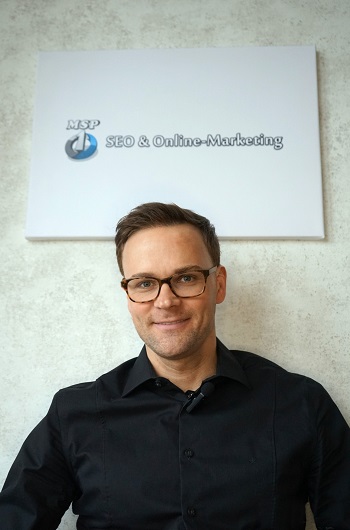
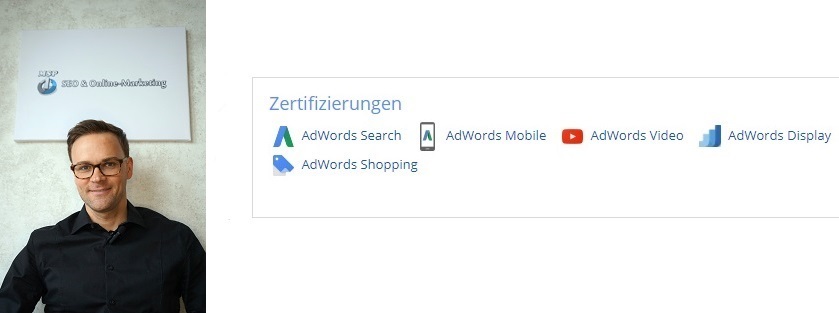
Boris Alexeev, M.A.
SEO Strategist with 23 years of experience

Weitere Artikel
 SEO FAQ 2026 – Die wichtigsten Fragen & Antworten für besseres Google und GEO Ranking
 ChatGPT cites these websites 3.5 times more often – These are the SEO secrets in 2026
 3 SEO-Elemente, die Sie nicht außer Acht lassen sollten
 GEO 2026: Checkliste für Erwähnungen in ChatGPT, Perplexity, Gemini & Claude
 Linkaufbau in 2026: 10 Vorteile von Qualitätsbacklinks + so bekommt man sie
 Was kosten Backlinks in 2026? Preise, Beispiele & Linkaufbau-Kosten


Schreibe einen Kommentar